
Introduction
Do you ever feel your heart racing, your palms sweating, and a sense of impending doom washing over you? If so, you’re not alone. Anxiety affects millions of people worldwide, and while it can be overwhelming, it’s essential to remember that it’s manageable. In this blog post, we’ll explore five proven strategies to help you manage your anxiety and regain control of your life. Let’s dive in!
Understanding Anxiety
Before we delve into the solutions, it’s crucial to understand what anxiety is. Anxiety is a natural response to stress and can be beneficial in some situations, such as when it helps you avoid danger. However, when anxiety becomes a constant companion, it can interfere with daily activities and well-being. The effects of prolonged anxiety can be: depression, pounding heart, extreme fatigue, blood pressure and migraines , So as you can see anxiety and prolonged anxiety or chronic anxiety can have serious affect on your heath. So its important that you find wasy to manage your anxiety
1. Practice Mindfulness and Meditation
Mindfulness and meditation are powerful tools for managing anxiety. By focusing on the present moment and observing your thoughts without judgment, you can reduce the impact of anxiety on your life and help you manage your anxiety
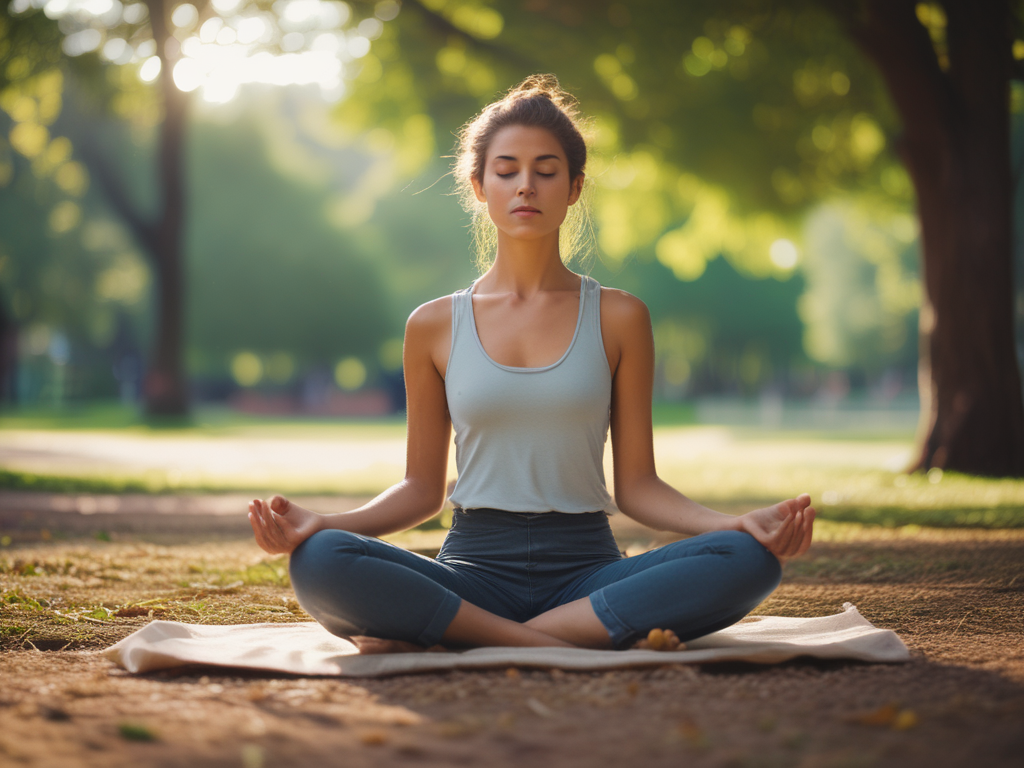
peacefully meditating in nature.
How to Get Started:
- Find a Quiet Space: Choose a quiet, comfortable spot where you won’t be disturbed.
- Focus on Your Breathing: Pay attention to your breath, taking slow, deep breaths breathing problems in and out.
- Observe Your Thoughts: Notice your thoughts without trying to change them. Allow them to pass like clouds in the sky.
- Use Guided Meditations: Apps like Headspace or Calm offer guided meditations specifically designed to reduce anxiety.
Did you know that just 10 minutes of mindfulness a day can significantly manage your anxiety? Give it a try and feel the difference!
2. Exercise Regularly
Physical activity is not only good for your body but also your mind. Exercise releases endorphins, which are natural mood lifters, and can help reduce symptoms of anxiety. So this is the second key way to manage your anxiety

Types of Exercise to Consider:
- Cardio Workouts: Running, cycling, or swimming can get your heart rate up and release those feel-good chemicals.
- Strength Training: Lifting weights can also be a great way to burn off stress and improve your mood.
How to get started : Struggling to find motivation? Start with just 5 minutes a day and gradually increase your workout time. You’ll be amazed at how quickly exercise becomes a natural part of your routine! You will start to enjoy it and it will help you manage your anxiety
3. Maintain a Healthy Diet
What you eat can have a profound impact on how you feel. A balanced diet can help stabilize your mood and help you manage your anxiety

Try to increasing your plant based foods to your weekly diet
Foods That Help Reduce Anxiety:
- Whole Grains: Foods like oats, quinoa, and brown rice can help keep your blood sugar levels stable.
- Fruits and Vegetables: Packed with vitamins and minerals, they are essential for mental health.
- Omega-3 Rich Foods: Salmon, flaxseeds, and walnuts are excellent sources of omega-3 fatty acids, which are known to reduce anxiety.
Does a sugar high help you Ever wondered why you feel anxious after a sugary snack? Discover the connection between diet and mood in our next post!
4. Establish a Regular Sleep Routine
Sleep and anxiety have a bidirectional relationship – poor sleep can increase anxiety, and high anxiety can lead to poor sleep. Establishing a regular sleep routine is crucial for managing anxiety.so turn of the mobile, Tv and put on some relaxing background music to help you relax and manage you anxiety better
improve your sleep by having a cozy bedroom setup with dim lighting and comfortable bedding.

Tips for Better Sleep:
- Stick to a Schedule: Go to bed and wake up at the same time every day, even on weekends.
- Create a Bedtime Routine: Engage in calming activities before bed, such as reading or taking a warm bath.
- Limit Screen Time: Reduce exposure to screens at least an hour before bed to prevent disruption of your circadian rhythm.
- Create a Comfortable Sleep Environment: Ensure your bedroom is dark, quiet, and cool.
Additional ways to improve your sleep
Are you so tired that you start to make mistake and have poor communication: Did you know that sleep deprivation can mimic the symptoms of anxiety? Learn how to improve your sleep and your mood simultaneously!
5. Seek Professional Help
Sometimes, managing anxiety requires professional assistance. There’s no shame in seeking help from a life coach , therapist or counsellor.
Image suggestion: A comforting image of a person talking to a therapist in a cozy office.
When to Seek Help:
- Persistent Anxiety: If anxiety is interfering with your daily life and self-help strategies aren’t working.
- Physical Symptoms: Experiencing physical symptoms like chest pain or shortness of breath.
- Cognitive Behavioural Therapy (CBT): This type of therapy is particularly effective for treating anxiety disorders.
- Medication: In some cases, medication may be prescribed to help manage anxiety.
Feeling stuck? Therapy can provide you with personalized strategies and support. Reach out today and take the first step towards healing.

Conclusion
Managing anxiety is a journey, and it’s essential to find what works best for you. By incorporating mindfulness, exercise, a healthy diet, a regular sleep routine, and seeking professional help when needed, you can significantly reduce your anxiety levels and improve your quality of life.
Stay tuned for our next post in this series, where we’ll delve deeper into the connection between diet and mood. Until then, remember that managing anxiety is possible, and you have the power to take control of your mental health.
Click subscribe so you don’t miss out on the next blog – Do Want to learn more about how your diet affects your mood? Don’t miss our next blog post!
Visit us on YouTube

 life coaching today